







18/10/2026
If you have an old sofa, a broken armchair, a mattress that's past its best, or a few other bulky...
Rubbish Clearance Harringay provides practical waste removal for homes, landlords and businesses in Harringay, with a focus on collecting unwanted items, clearing mixed rubbish and helping customers choose the right type of removal for the job. Whether you are dealing with old furniture, garden offcuts, builders’ debris or general household waste, the aim is to make the process straightforward and orderly rather than complicated.
Our service pages set out the main options clearly, so you can match the clearance to the material you need removed. That may mean a one-off domestic collection, a furniture removal visit, a garden waste collection or a more complete house clearance. If you already know what needs taking away, the next step is simply to request a quotation and give us the basics of the load.
For customers comparing services, it helps to start with the services overview, which brings together the main clearance types in one place. From there, you can look at the specific pages for house contents, garden material, bulky items or commercial waste and decide which description best fits the work you need done.
Domestic clearance usually covers the everyday items that build up in sheds, lofts, spare rooms, hallways and kitchens. That can include bagged rubbish, broken household items, boxes, mixed clutter and other waste that is too awkward to move through regular bin collection. We keep the service focused on removal and disposal, so the job can be planned around the actual contents rather than around guesswork. If you want a broader clean-out, the domestic waste collection page explains the type of household loads it is intended for.
Households often prefer a clearer breakdown of what is being cleared, especially when a room contains a mixture of items. That is why it can help to separate reusable belongings from rubbish, and to note whether the waste is loose, bagged or stacked. A clear description makes it easier to match the right vehicle and time. For homes that need a fuller clear-out, house clearance is the more suitable option when the work goes beyond a simple rubbish collection.
Domestic rubbish removal can suit everyday clearances that do not need a specialist trade team. Typical examples include old cartons, worn small furniture, general junk, unwanted appliances where appropriate, and accumulated items from storage spaces. In some cases, the work is best split into a few groups rather than handled as one large mixed pile. If you are dealing with bulkier household items, a separate furniture removal visit may be the more efficient route.
The practical part of the service is deciding what should go, what should stay and whether anything needs to be kept aside before collection. Customers sometimes prepare by grouping items in one place, but the main point is simply to describe the load accurately. That helps avoid confusion later and makes the quotation process more useful. When you are ready, you can send the details for a quote and keep the rest of the arrangement simple.
Bulky item removal is useful when individual pieces are too heavy, awkward or time-consuming to move by normal household disposal methods. Sofas, wardrobes, shelving, tables and similar items often need a separate plan because they take up more space and may need careful handling at the property. The dedicated furniture removal Harringay page is the best place to check how that service is described and when it fits best.
Some loads also include white goods or appliances that need a different kind of collection from standard rubbish. Items such as fridges, washing machines and cookers can be difficult to move safely, and customers often want a clearer answer about what can be taken away in one visit. For those situations, the white goods and appliance disposal page gives a more specific overview of the service scope.
Bulky collections work best when the items are described honestly and in enough detail for the team to understand access and handling requirements. A set of flat-pack pieces has very different handling needs from a full wardrobe or a heavy appliance. If there are stairs, tight doorways or other restrictions, those details matter because they affect how the work is carried out. It is usually better to describe the item list carefully than to rely on broad labels like “a few bits”.
For a mixed load, it is often sensible to separate furniture from other rubbish and decide whether each item belongs under the same visit or a separate service. That can keep the work more organised and help with quoting. If your load includes a mixture of household and appliance waste, clear item descriptions are the simplest way to avoid delays. A quick enquiry is often enough to get the process moving.
Trade and business clearances usually need a more structured approach than a household collection because the waste types can vary from one job to the next. Builders’ waste often includes offcuts, rubble, packaging, damaged materials and other debris left after work has finished. The builders’ waste removal page is the most relevant place to review that service and the kind of material it is intended to cover.
Commercial waste removal is similarly useful when a workplace, shop or office has built up mixed rubbish that needs a tidy and lawful clear-out. That can involve packaging, office clutter, worn fixtures or general refuse from day-to-day operations. The commercial waste removal page sets out that service in more detail for business customers who need a one-off or occasional collection.
Price and scheduling depend on the amount and type of waste, as well as how easy it is to load. Heavy builders’ material, mixed commercial rubbish and bagged waste all require different handling. If you are planning a renovation, an office clear-out or a shop tidy-up, it helps to identify the main waste categories before asking for a quotation. You can also review pricing and quotes if you want to understand the factors that typically shape an estimate.
Garden waste removal is designed for the material that accumulates after pruning, trimming, digging or general outdoor maintenance. Typical loads may include branches, hedge cuttings, leaves, soil in limited amounts and other green waste. The garden waste removal page sets out the scope more clearly for customers who need an outdoor clearance rather than a general rubbish collection.
Responsible disposal is part of the service conversation, especially when customers want reassurance that waste is being handled properly. The recycling and sustainability page explains the company’s approach to sorting and recycling in a way that is relevant to mixed clearance work. It is useful for anyone who wants a clearer picture of what happens after collection and how reusable or recyclable material is considered.
When garden and household waste are mixed, it is often best to separate them before quoting so the service can be matched to the contents rather than to the location alone. A few sacks of green waste are very different from a pile of soil, timber and general junk. Simple preparation helps, but it is not about making the site perfect; it is about describing the load accurately enough for the right collection to be arranged. If you prefer, ask for a quotation once the main items are listed.
For customers who want reassurance on handling standards, the supporting policy pages can also be helpful. The waste carrier licence and compliance page covers compliance information, while insurance and safety sets out the company’s approach to safe working practices and care around the property.
People comparing rubbish clearance services often want to understand what affects the final figure before they commit to a job. The main factors are usually the amount of waste, the type of material, the access to the items and any additional handling that may be needed. A simple pile of bagged rubbish is different from a mixed load with awkward furniture or heavy construction material. The pricing and quotes page is the clearest place to review how a quotation is put together.
Useful service information also includes the way payment and company policies are presented online. The payment and security page is available for customers who want to check how transactions are handled, while the terms and conditions page gives the formal service rules. These pages do not replace a direct quote, but they do help customers understand the practical framework before booking.
A good enquiry usually lists the main item types, the approximate amount and anything that affects access, such as stairs, narrow corridors or restricted parking nearby. If you are comparing several services, it helps to state whether the waste is domestic, garden, furniture, appliance or builder’s material. Photos can be useful where available, but a written summary is still important because it gives the clearest starting point for a quotation.
For best results, keep the enquiry focused on the actual load rather than on general background. Mention whether you need a one-off collection, a fuller clearance or a specific item removal, and include any time constraints that matter to you. If you are ready to move forward, use the quotation request page and give the team the key details in one message.
Harringay is an area in North London within the London Borough of Haringey, known for a streetscape that combines Victorian and Edwardian housing with busier commercial routes. Green Lanes runs through the district and is one of its best-known thoroughfares, shaping much of the local character with shops, cafés, takeaways and everyday services. The area is also associated with Harringay Ladder, a distinctive stretch of parallel residential streets laid out between Green Lanes and Wightman Road, where the alignment of roads creates the familiar ladder-like pattern. Nearby transport links have long influenced the district’s development, including Harringay Green Lanes station and Harringay station, which connect the area into wider London. Finsbury Park lies close to the south-west, while Ducketts Common and other smaller open spaces provide local breathing room amid the urban fabric. The nearby Arena Shopping Park and surrounding retail provision add to the practical side of the neighbourhood, while the wider borough context brings together mixed housing, cultural variety and busy local movement. Harringay’s identity is shaped not by a single landmark but by the combination of residential terraces, main-road commerce, rail links and the steady everyday rhythm of a place that feels both lived-in and well connected. As a result, it sits comfortably between a traditional inner-London neighbourhood and a corridor of local trade, with a built environment that reflects successive layers of growth rather than one fixed historical moment.
For customers who want a simple way to understand the main options, the about us page sets out the company background in more detail. If you are checking how the service works in practice, the contact us page is the place to send your enquiry and request a quotation.
Some customers need more than a single-item collection and prefer a broader property clearance that covers several rooms, outbuildings or a full set of mixed contents. In those cases, the choice often comes down to whether the work is mainly rubbish removal, furniture removal or a complete house clearance. The service pages are written to help you make that distinction, so the job can be described in terms that suit the contents rather than forcing everything into one category.
Where items are spread across a property, a sensible approach is to identify the pieces that are to be removed, note anything fragile or especially heavy, and decide whether there are items to leave in place. That keeps the clearance focused and prevents confusion once the work begins. If the load includes a mixture of broken household items and reusable furniture, it is usually better to group it by type. You can then ask for a quotation based on the actual items instead of broad assumptions.
For support with planning, the moving waste advice article offers practical ideas on reducing unnecessary items before a relocation or property clear-out. If you are dealing with access issues, the narrow access rubbish removal article may also be helpful because it discusses the kind of conditions that can affect a clearance in a more constrained property layout.
Not every load is routine, and some situations benefit from a more specific discussion before a visit is arranged. Renovation debris, mixed flat contents, old appliances and long-standing household clutter can all need slightly different handling. The relevant service page is usually the best starting point because it gives a more exact description of the material and the type of work involved. That is especially useful when the waste is bulky, awkward or spread across several areas.
It can also help to think about the difference between a simple collection and a fuller clear-out. A small pile of items near the front of a property may suit one kind of visit, while a cluttered room, shed or commercial store area may need a broader clearance plan. If you are unsure which page best fits your situation, start with the main service summary and then move to the closest match. One accurate enquiry is often better than several vague ones.
Customers who want to understand more about the local context can also read the company blog, though the service pages remain the most direct route for arranging work. Relevant reading includes the flat clearance article, which discusses a type of property scenario, and the quotation advice article, which explains what to look for when comparing estimates.
To get the most useful response, keep the quotation request focused on the waste itself and the practical details that affect removal. A brief note about the item types, approximate volume and access is usually enough to begin with. If the job includes several categories of waste, list them separately so the service can be matched correctly. That makes it easier to understand whether the work is best handled as a domestic collection, a bulky item removal or a specialist clearance.
Where relevant, mention whether the rubbish is inside or outside, whether there are stairs or tight corridors and whether anything needs to be left behind. Those details help shape a quotation without adding unnecessary complexity. Customers who like to prepare in advance may also find it useful to review the company’s support pages on compliance, safety and service terms. The aim is to make the enquiry clear enough that the next step can be handled efficiently.
When you are ready, request a quotation today and describe the items in plain language. If your load is mainly household waste, furniture, garden waste or commercial rubbish, the right service page will help you choose the best route before you send the message.
Rubbish Clearance Harringay provides domestic, furniture, garden, builder and commercial waste removal in Harringay, with clear pricing information and a simple way to request a quotation.
If you have an old sofa, a broken armchair, a mattress that's past its best, or a few other bulky...

If you need clutter gone today, you are usually trying to solve more than one problem at once:...
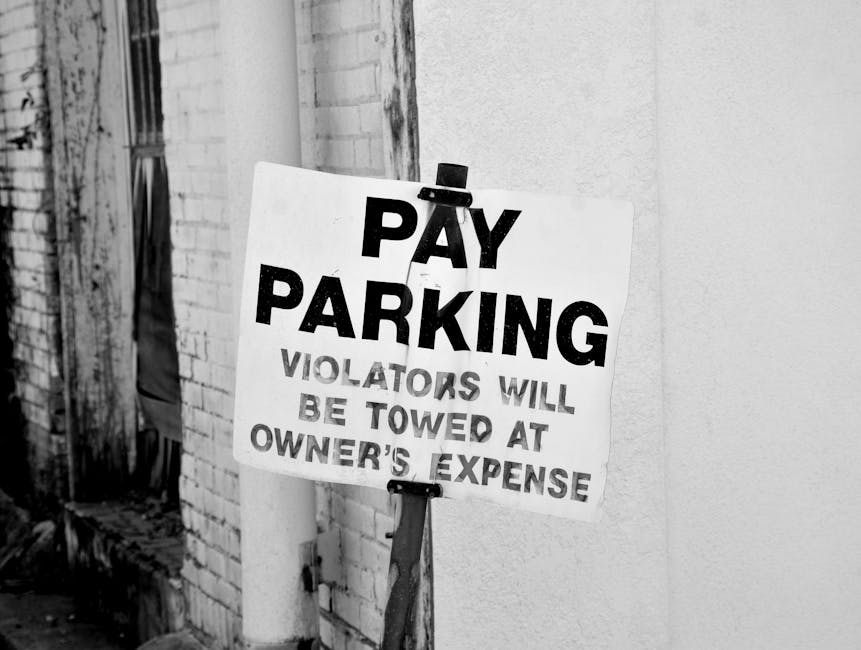
If you live or work in Harringay, the risk of a fly-tipping fine is not something to brush off...
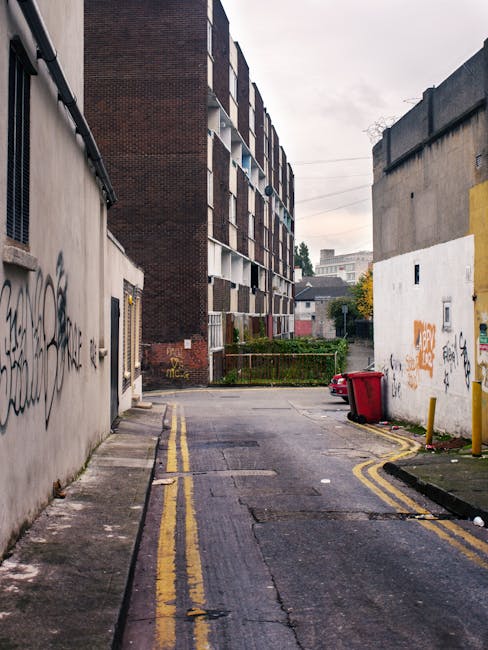
If you are arranging waste removal around Green Lanes, the last thing you want is a skip turning...

If you need rubbish gone quickly, delays can be the part that turns a simple job into a small...

If you live on the Harringay Ladder, you already know the charm comes with a few practical...

If you've ever asked for rubbish removal pricing and felt the quote was a bit too neat, you're...
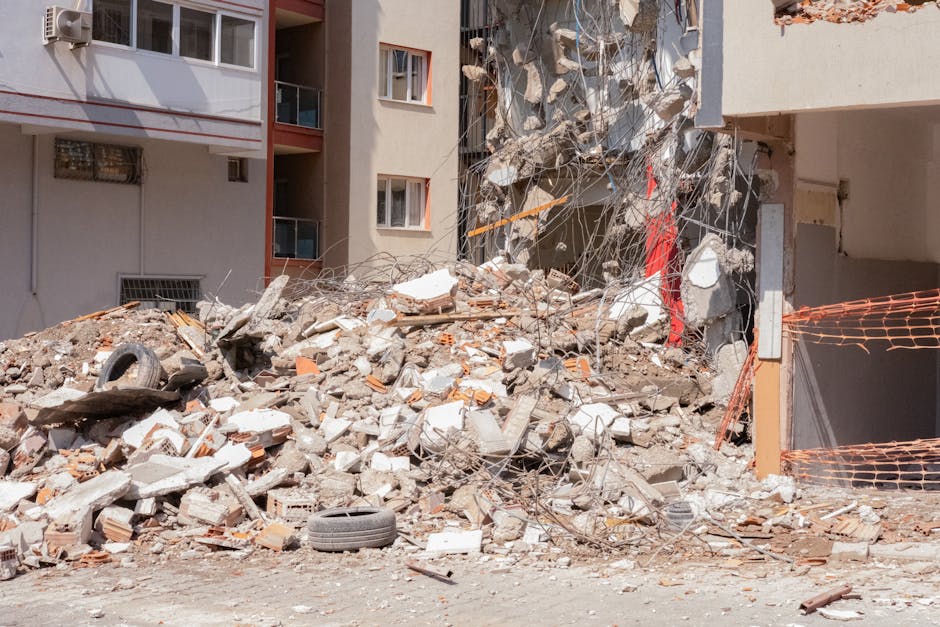
If you live in a Harringay Ladder flat, you already know how quickly clutter can take over. One...

London, the bustling capital of England, is often known for its iconic landmarks like Big Ben,...

Harringay, a vibrant district in North London, is renowned for its bustling markets, diverse...

Moving can be both an exciting and stressful event, but if you don't have the proper strategies...

Harringay, located in the London Borough of Haringey, offers a vibrant and diverse living...

 (101)
(101)
Please fill out the form below to send us an email and we will get back to you as soon as possible.