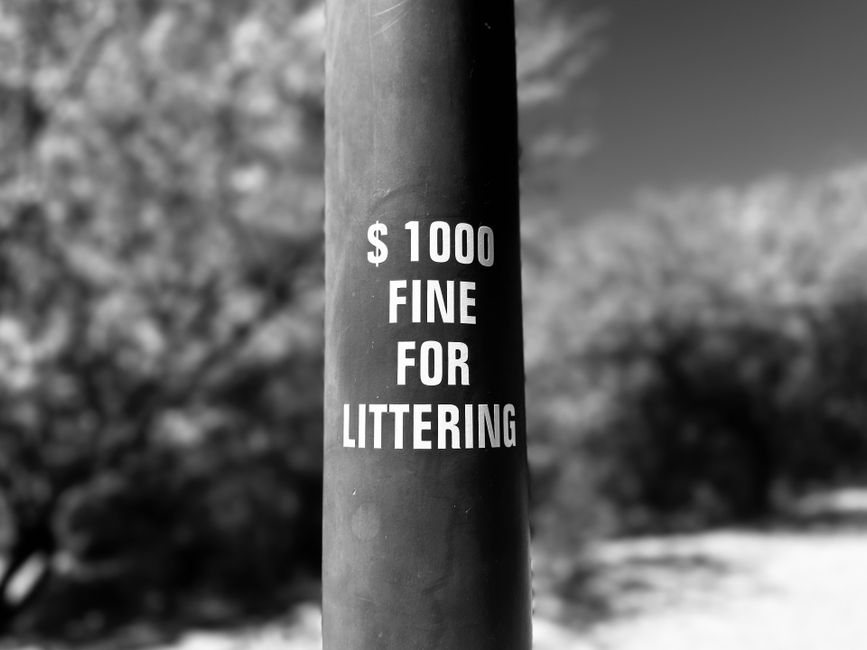
Fines for fly tipping Harringay what to know to avoid penalties
Posted on 19/08/2026
Fines for fly tipping Harringay: what to know to avoid penalties
If you live or work in Harringay, the risk of a fly-tipping fine is not something to brush off and hope for the best. One careless bag left beside a full bin, one sofa dumped "for later," or one contractor who disappears after a clearance can quickly turn into a penalty, a complaint, or a stressful back-and-forth with the council. This guide explains fines for fly tipping Harringay what to know to avoid penalties in plain English, with practical steps you can actually use. The aim is simple: help you stay on the right side of local rules, avoid common traps, and dispose of waste properly without drama.
To be fair, most people do not set out to break the rules. It usually starts with convenience, bad advice, or assuming someone else will handle it. That is exactly why understanding the basics matters.
Why Fines for fly tipping Harringay what to know to avoid penalties Matters
Fly tipping is not just an eyesore. In a busy part of north London like Harringay, dumped rubbish can block pavements, attract pests, create fire risk, and make streets feel neglected. It also creates a paper trail of complaints, and that is where penalties come in. Councils and enforcement teams can investigate waste left in public places, near bins, in alleyways, on verges, or beside communal collection points if it looks abandoned.
For residents, the biggest issue is often not malicious dumping. It is leaving waste in a way that can be interpreted as unlawful disposal. A mattress propped beside the wrong bin store, a handful of black sacks outside collection time, or builder's waste left by a contractor can all cause problems. And yes, if your waste is found fly-tipped and linked back to you, the headache can land on your doorstep.
There is also a neighbourhood effect. Streets around busy roads, shared entrances, and flats with narrow access can see waste left out "temporarily" and then ignored. If you know the local rhythm of the area, you will notice how quickly one small pile can turn into a bigger issue by the next morning. That is why careful disposal matters so much.
If you are already trying to tidy before a move, renovation, or clearance, it can help to understand broader local expectations too. A useful starting point is the site's guide to Haringey council rubbish disposal rules for Harringay homes, which sits well alongside this article.
How Fines for fly tipping Harringay what to know to avoid penalties Works
In practice, fly-tipping penalties usually follow a simple pattern: waste is left somewhere it should not be, it is reported or spotted, an investigation starts, and the person responsible is identified. Sometimes that is straightforward. Sometimes it is not. Councils may look at addresses on packaging, letters in bags, CCTV, witness reports, vehicle details, or whether someone used an unlicensed carrier.
That is why "I didn't know" is rarely a strong defence. If you handed waste to the wrong person, left it in the wrong place, or failed to check who was taking it away, you may still face consequences. Truth be told, this catches people out more often than they expect.
Here is the practical version of how things tend to unfold:
- Waste appears in a location where it should not have been left.
- The local authority or enforcement team receives a report or finds it during patrols.
- They assess whether it looks like fly tipping, controlled waste, or a simple presentation issue.
- They try to trace the source, which may include labels, documents, or vehicle records.
- If responsibility is established, a penalty, notice, or further enforcement action may follow.
People often ask whether a bag left outside for a short time counts. The answer depends on the exact situation and local collection arrangements, so it is better not to test the boundary. If you cannot be sure your waste is presented correctly, keep it on your property until it is ready to go.
There is another layer here: waste transferred to a third party. If you hire someone to remove rubbish, you need to know they are legitimate. A sensible place to start is the company's own explanation of waste carrier licence and compliance. That kind of check is boring, admittedly, but it is the sort of boring that saves money.
Key Benefits and Practical Advantages
Avoiding fly tipping fines is the obvious win, but there are other benefits that are easy to overlook.
- Less risk of complaints: Neighbours are far less likely to report waste that is stored properly and cleared on time.
- Cleaner shared spaces: In flats, terraces, and mixed-use streets, tidy waste handling keeps entrances and pavements usable.
- Fewer collection problems: If waste is sorted and presented correctly, you are less likely to miss a collection or be asked to move it.
- Lower chance of dealing with rogue operators: Proper checks reduce the risk of hiring someone who dumps rubbish illegally.
- Better recycling outcomes: Segregating waste early makes reuse and recycling more realistic.
There is also a practical comfort to it. You know where things are going. You know who is taking them. And you do not have that nagging worry that your old wardrobe, builders' rubble, or bagged garden cuttings will come back to haunt you with a penalty notice three weeks later.
Expert summary: The safest way to avoid fly-tipping penalties in Harringay is not just "don't dump rubbish." It is to keep proof, use reputable disposal routes, check access and collection timing, and never hand waste to anyone you have not properly vetted.
Who This Is For and When It Makes Sense
This guidance is for anyone who produces waste in Harringay and wants to avoid unnecessary risk. That includes tenants, homeowners, landlords, shop owners, office managers, tradespeople, and anyone clearing a property after a move or renovation.
It is especially relevant if you are:
- moving out and trying to clear items quickly
- dealing with bulky furniture or white goods
- managing builders' waste after work at home
- running a small business with regular rubbish output
- using communal bins and shared access areas
- trying to avoid hidden costs in a clearance quote
People in the Harringay Ladder, near Green Lanes, or in older properties with awkward access often feel the pressure most. Waste can be awkward to carry, there may not be much storage space, and a quick fix can look appealing. But a quick fix is exactly where things go wrong. If that sounds familiar, you are not alone.
For general local context, you may also find the article on the unique character of Harringay useful, because the layout, housing mix, and street pattern really do affect how waste should be handled.
Step-by-Step Guidance
If your goal is to avoid a fly-tipping fine, the safest route is to treat waste disposal like a small compliance job, not an afterthought. Here is a practical way to do it.
- Sort the waste first. Separate general rubbish, reusable items, recycling, electricals, garden waste, and builders' waste. Do not throw everything into one pile and hope someone else will sort it.
- Identify what needs special handling. Paint, fridges, mattresses, appliances, and construction rubble may need different disposal routes. White goods are a classic example people underestimate.
- Check whether the council collection will cover it. Some items are fine in normal collections only if presented correctly. Others may need a booked service or a specialist carrier.
- Choose a legitimate disposal method. If using a waste carrier, make sure they are properly registered and able to explain where the waste will go.
- Get a clear quote and terms. Know what is included, what is not, and whether loading, sorting, and disposal are all covered. A vague quote can hide a problem later.
- Keep records. Save invoices, booking confirmations, and any notes about who collected the waste. That paper trail matters more than people think.
- Present waste at the right time and place. Put it out only when allowed, and only where the collection service expects it.
- Follow up if something looks wrong. If a collector fails to turn up or leaves waste behind, do not assume it has been dealt with. Chase it immediately.
A small example: if you are clearing a flat and have a broken chest of drawers, bagged clothes, and a fridge, those items should not all be treated the same. The drawer unit may go one way, the clothes another, and the fridge as a specialist item. That is the difference between tidy disposal and a mess that may attract enforcement attention.
If you need a broader overview of available rubbish services, it is worth scanning the site's services overview before you decide what route is best.
Expert Tips for Better Results
The best way to avoid penalties is not to become an expert in enforcement. It is to build a few sensible habits.
- Never leave waste beside a full bin if the bin store is not designed for overflow. That can be treated as illegal dumping rather than harmless temporary placement.
- Photograph bulky items before collection. It sounds fussy, but photos help if there is ever a dispute about what was removed.
- Ask where the waste will be taken. A legitimate operator should be able to explain the route without sounding evasive.
- Use written quotes where possible. It reduces the chance of misunderstandings and "that was extra" surprises.
- Plan for access. Narrow stairwells, shared entrances, and busy roadside parking can all affect how waste is removed safely.
- Schedule removals with daylight in mind. It is just easier to check what has been taken, especially in the winter months when it gets dark early.
If you are clearing out furniture, for example, the safer route may be to use a dedicated service rather than trying to shift it yourself. The same is true for heavy appliances. A useful related read is furniture removal in Harringay and white goods and appliance disposal in Harringay, both of which help separate ordinary household clutter from item-specific disposal needs.
And one slightly unglamorous tip: keep a folder on your phone for waste jobs. Booking, receipt, before-photo, after-photo. Done. Very unexciting. Very useful.
Common Mistakes to Avoid
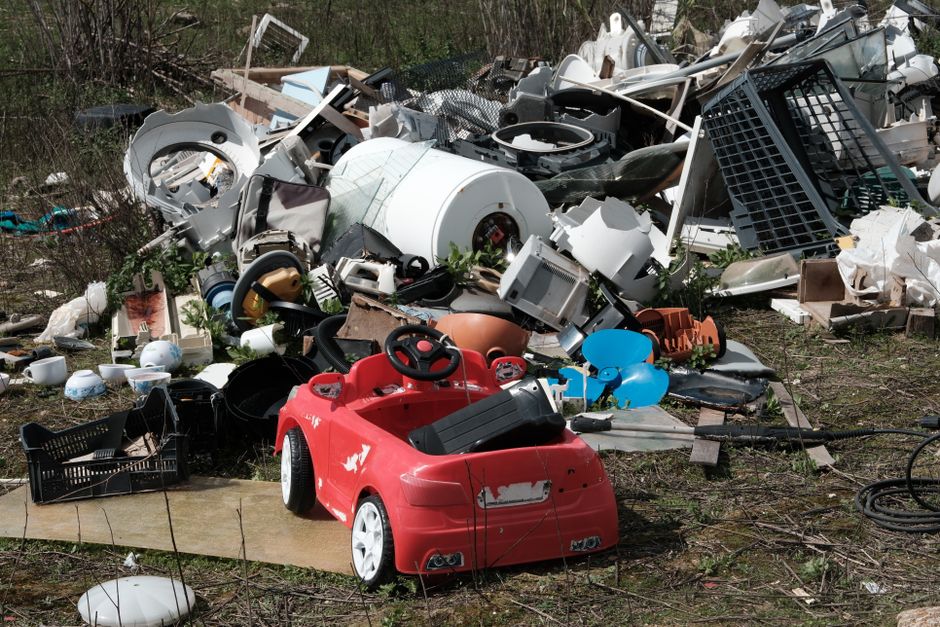
Most fly-tipping penalties come from avoidable mistakes. The tricky part is that they often feel minor at the time.
- Using an unlicensed collector: If someone offers cheap removal and cannot prove they are compliant, walk away.
- Assuming "left out for a minute" is harmless: Waste left on a pavement or communal area can quickly become an enforcement issue.
- Mixing household waste with trade waste: Builders' waste is a different category from normal household rubbish, and it should be handled accordingly.
- Not checking skip or permit requirements: If you are placing a skip, parking, or access issues can change what is allowed. That is especially relevant around busier roads.
- Handing waste to a friend of a friend: Friendly is not the same as compliant.
- Forgetting bulky-item rules: Mattresses, fridges, and larger furniture are the items that often sit around too long if nobody plans properly.
There is a related point here on pricing. If a quote is suspiciously low, ask what is excluded. Hidden extras can tempt people into dumping waste themselves when the "cheap" route turns out not to be cheap at all. For a deeper look at that issue, see how to avoid hidden fees in rubbish clearance quotes.
Also, if you are working in a narrow street or have tight access, it is worth reading what to expect from narrow access rubbish removal in Harringay Ladder. Access issues sound boring until they turn into delays, blocked entrances, or items being left out longer than planned.
Tools, Resources and Recommendations
You do not need a huge toolkit to stay compliant, just a few sensible resources.
- A phone camera: Use it to record what you put out and what gets taken.
- A notes app: Keep collection times, names, and any special instructions in one place.
- Basic item categorisation: Separate general waste, recycling, garden waste, furniture, appliances, and building debris.
- A trusted disposal provider: Choose one that is transparent about compliance, safety, and what happens after collection.
- Clear instructions for tenants or contractors: If others are generating waste at your property, make sure they understand where it goes.
For people doing bigger clearances, the most useful "resource" is often advance planning. A house clearance, office clear-out, or post-refurb rubbish job almost always goes smoother when the waste is labelled and staged. That is where services like house clearance in Harringay or builders' waste removal in Harringay can save time and reduce mistakes.
If you are curious about how the business approaches responsible disposal, the pages on recycling and sustainability, insurance and safety, and about the company are all sensible places to look. Those are the trust signals people should be checking, frankly, before they hand over a single item.
Law, Compliance, Standards, or Best Practice
While I am not going to pretend every local enforcement detail is identical in every case, a few UK waste principles matter wherever you are in Harringay. Controlled waste must be handled responsibly. You should not abandon it, transfer it to an unverified person, or place it where it is not meant to be. If someone carries waste for profit, they should be operating within the proper licensing framework. If you produce waste, you still carry responsibility for making sure it is handed over properly.
Best practice is simple enough:
- use a legitimate carrier
- confirm what items they will take
- ask about disposal and recycling routes
- keep evidence of collection
- do not dump waste on land, streets, or beside bins without permission
For landlords and businesses, this becomes even more important. Repeated waste issues can affect neighbours, trigger complaints, and make you look careless even if the original problem started with a contractor. Business waste especially should be handled with a clear chain of responsibility. If that sounds like your situation, the page on commercial waste removal in Harringay is a sensible reference point.
If a skip is involved, do not ignore local access and permit concerns. The topic can get awkward around busier streets, so the article on skip permit rules near Green Lanes is worth a look if your job depends on placing one.
Options, Methods, or Comparison Table
There is no single best option for every household. The right method depends on volume, item type, timing, and how much lifting or sorting you can handle. Here is a straightforward comparison.
| Method | Best for | Main advantage | Main risk |
|---|---|---|---|
| Council collection | Routine household waste and certain booked bulky items | Simple and familiar | Limited item types, timing constraints, and waiting periods |
| DIY trip to a disposal site | Smaller loads if you have transport and time | Direct control over disposal | Physical effort, transport issues, and sorting mistakes |
| Licensed waste carrier | Mixed waste, bulky items, clearances, and awkward access | Convenient and usually quickest | Risk only if the carrier is not properly checked |
| Skip hire | Larger projects and ongoing clearance jobs | Useful for bigger volumes | Permit, space, and loading issues |
In real life, people often mix methods. A family may use council services for standard household waste, a carrier for a sofa and fridge, and a skip for renovation rubble. That hybrid approach can be smart if it is organised. Messy if it is not.
Case Study or Real-World Example
Here is a realistic Harringay scenario. A couple in a flat near a busy road are moving out on a Friday. They have a broken desk, some old boxes, a mattress, and a bulky chest of drawers. The bin store is already full, and the moving van arrives before dawn. They are tempted to leave the items beside the communal bins "for a couple of hours" and deal with it later.
Instead, they book removal in advance, keep the items inside until collection, and ask for a written confirmation. They also separate what can be reused from what must be disposed of, and they take quick photos before the collection. The space stays clear, the neighbours do not complain, and there is a record if anyone ever questions the job. Not exciting, but clean and calm. Exactly the point.
Now compare that with the risky version. The same items are left beside the road overnight. A passer-by adds a bag. Another bag turns up. By morning it looks like an illegal dump, even if the original intention was just temporary storage. That is how small decisions become larger problems very quickly.
Practical Checklist
Use this checklist before you put any waste out or hand it to a carrier:
- Have I sorted the waste properly?
- Do I know whether any item needs special handling?
- Am I using a carrier or service that I have checked properly?
- Do I have a quote, booking confirmation, or receipt?
- Am I clear on where the waste should be placed and when?
- Could any part of the load be mistaken for fly tipping if left unattended?
- Have I taken a quick photo for my records?
- Do I know what happens if the collection is delayed?
- Have I avoided leaving anything in a communal area "just for now"?
- Would I be comfortable explaining this disposal choice if challenged?
If the answer to any of those is no, pause and tidy up the process first. That little pause can save a lot of hassle later.
Conclusion
Fly-tipping penalties are avoidable, but only if you treat waste disposal with a bit of care and common sense. In Harringay, the main risks are usually not dramatic; they are small, everyday slips that look harmless at the time. A bag in the wrong place. A cheap carrier with no paperwork. A bulky item left outside overnight. That sort of thing.
The best protection is simple: use proper disposal routes, keep evidence, plan ahead, and do not assume a shortcut will stay a shortcut. If you do that, you are far less likely to face fines, complaints, or the hassle of cleaning up someone else's mess.
If you want to avoid penalties and keep your rubbish handling tidy, start with a clear plan, choose the right service, and do not leave anything to chance.
Get a free quote today and see how much you can save.