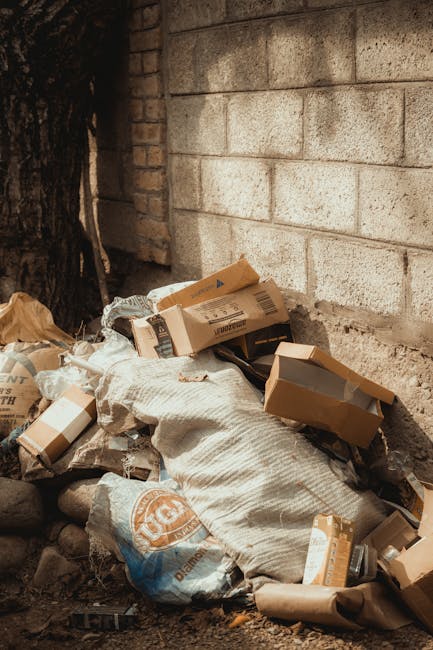
Sofa and bulky item rubbish clearance St Anns Road Harringay
Posted on 18/10/2026
Sofa and Bulky Item Rubbish Clearance St Anns Road Harringay
If you have an old sofa, a broken armchair, a mattress that's past its best, or a few other bulky bits blocking your hallway, you are not alone. Sofa and bulky item rubbish clearance St Anns Road Harringay is one of those jobs people put off until the flat starts feeling cramped, the staircase becomes a hazard, or a move-out date suddenly feels very close. Truth be told, bulky waste has a way of making a home feel smaller than it really is.
This guide explains how local bulky item clearance works, what to expect, what to avoid, and how to choose a sensible, lawful, and efficient option. It also covers practical local considerations, from tight stairwells and parking to recycling choices and compliance. If you want a clear path from "this has to go" to "job done," you're in the right place.
For readers who want a broader look at the area and everyday life nearby, the Harringay living guide is a helpful companion piece. And if you are comparing broader waste services, the services overview is worth a look too.

Why Sofa and Bulky Item Rubbish Clearance St Anns Road Harringay Matters
Bulky items are awkward in a way ordinary rubbish simply is not. A sofa is too large for normal household bins, too heavy for many people to move safely, and often too awkward to fit through narrow hallways without scuffing walls or knocking into door frames. On streets like St Anns Road, where access, parking, and shared entrances can be part of daily life, that awkwardness becomes a real problem pretty quickly.
There is also the matter of timing. A bulky item left in the wrong place can block shared access, create a fire escape concern, or make a property feel untidy when you are trying to rent, sell, or renovate. If you are preparing a home for viewings, a cleared room tends to photograph better and feel more spacious. If you are moving, bulky waste left until the last minute usually turns into a headache on the day you least need one.
Just as important, not every sofa should be treated as simple waste. Some items can be reused, some can be dismantled for easier handling, and some may contain materials that need careful sorting. Good clearance practice does not mean "throw it all in the truck and hope for the best." It means looking at the item, deciding the safest route, and sending it to the right destination wherever possible.
That is why this kind of service matters: it saves time, reduces stress, and helps keep the street clean and orderly. And in a busy part of Harringay, that matters more than people sometimes admit.
Expert summary: If the item is bulky, awkward, or unsafe to move alone, a proper clearance plan is usually the best combination of convenience, safety, and responsible disposal. It is not just about getting rid of things; it is about getting rid of them properly.
How Sofa and Bulky Item Rubbish Clearance St Anns Road Harringay Works
Although every job is a little different, the process is usually straightforward. The best services keep it simple because, let's face it, nobody wants a complicated removal of an old sofa.
1. You describe the items
You start by explaining what needs removing. That might be a three-seater sofa, a sofa bed, two armchairs, a coffee table, or a mix of bulky household waste. The more specific you are, the easier it is to estimate the manpower, vehicle space, and time needed.
2. Access is checked
Access matters. Is the sofa on a ground floor? Does it need to go down narrow stairs? Is there a lift? Will parking be straightforward or tight? These details affect how the clearance is planned and whether a two-person lift is sensible.
3. You receive a price indication
Reputable providers usually give pricing based on the volume, weight, labour involved, and the type of waste. For more detail on how quotes are typically handled, see pricing and quote guidance. The point is not to guess a number blindly, but to match the job to the actual work involved.
4. Collection is arranged
Once agreed, the crew arrives within the arranged time window, assesses the load, and removes the items. Good teams protect floors and doorways where needed, especially in older properties or narrow stairwells where a single scrape can be annoying for weeks.
5. Sorting and disposal happen responsibly
Bulky waste should be sorted for reuse, recycling, or disposal as appropriate. A sofa may include wood, textiles, foam, and metal springs, so it is rarely one simple material. Careful sorting helps reduce landfill use and keeps the process more sustainable.
6. You get the space back
That part is the nicest bit. The room looks bigger. The hallway is clearer. The day feels less heavy. Simple, but genuinely satisfying.
If you want to understand the wider furniture side of this work, the page on furniture removal in Harringay is a useful related resource.
Key Benefits and Practical Advantages
Bulky item clearance is not just about removal for removal's sake. There are several practical gains that make it worthwhile, especially in a local residential setting.
- Less physical strain: sofas are heavy, awkward, and often more difficult than they look.
- Safer moving: awkward lifting can lead to knocks, trips, and back injuries.
- Quicker turnaround: a good clearance can free space the same day, which is handy if you are moving fast.
- Better property presentation: empty rooms tend to look cleaner and more spacious.
- Reduced clutter: one bulky item often becomes three once you notice the side tables and broken bits around it.
- More responsible disposal: items can often be separated for reuse or recycling.
There is also a quieter benefit that people notice after the fact: mental breathing room. A single old sofa in the wrong place can make a room feel unfinished, and a cluttered landing can feel oddly stressful every time you walk past it. When it is gone, the house tends to settle.
For households wanting a fuller domestic clear-out alongside sofa disposal, the domestic waste collection in Harringay page gives a broader sense of what can be handled in one visit.
Who This Is For and When It Makes Sense
This type of clearance is useful for a lot of people, not just those moving house. In practice, the usual situations include:
- Homeowners replacing furniture: old sofas often need to go before the new one arrives.
- Renters at the end of a tenancy: landlords and agents often expect the property to be left clear and tidy.
- People downsizing: a smaller property means not every bulky item will fit.
- Families after a long period of use: furniture wears out, stains, sags, or becomes simply no longer practical.
- Landlords and letting agents: a left-behind sofa can delay re-letting if it is not dealt with quickly.
- Anyone with access limitations: if a sofa will not fit down the stairwell safely, professional removal starts to make a lot of sense.
It also makes sense when an item is too bulky for a regular car, too heavy for one person, or too difficult to dismantle without the right tools. Ask yourself: do you really want to spend your Saturday wrestling a sofa through a narrow hallway while the cushions keep falling off? Probably not.
If your needs are part of a bigger clean-up before moving, the article on reducing waste during a move offers practical planning ideas that fit neatly alongside bulky item disposal.
Step-by-Step Guidance
Here is a sensible way to approach a sofa or bulky waste clearance without turning it into a drama.
- Identify everything that needs to go. Make a quick list. Include the sofa, side chairs, mattresses, broken tables, and any loose bits.
- Check what can be reused. If an item is in decent condition, it may be worth considering a second life route before disposal.
- Take basic measurements. Width, height, and any awkward angles matter more than people expect, especially in maisonettes or older terraced homes.
- Clear the route. Move small items out of the hallway and away from the door so the team can work without tripping over things.
- Tell the provider about access issues. Narrow stairs, no parking, coded entry, or shared access should be mentioned upfront.
- Request a clear quote. Make sure the scope is understood: how many items, what size, and whether dismantling is needed.
- Prepare for collection. Keep pets and children clear during removal. It sounds obvious, but busy mornings are busy mornings.
- Check the space afterwards. A quick sweep or vacuum can make the room feel finished, not just emptied.
One small but important point: if the sofa has hidden damage, damp, or pest concerns, say so early. It helps the crew prepare, and it avoids surprises on arrival. Nobody likes surprises here. Not those ones anyway.
Expert Tips for Better Results
A few small choices can make bulky item clearance smoother, cheaper, and less stressful. These are the things people tend to learn after the first awkward attempt, which is fine, but you can skip straight to the good bit.
Measure before you book
If a sofa is too large for the route out, it may need dismantling. A quick measurement can save time and stop the day from becoming a puzzle.
Photograph awkward items
A picture is often clearer than a long description. It helps show size, condition, and access points. This is especially useful when you have a sofa bed or modular unit with hidden weight.
Be honest about condition
If an item is heavily stained, broken, or damaged, say so. It affects whether it can be reused and how it should be handled.
Bundle related items together
One sofa alone is a small job. A sofa, broken armchair, and coffee table together might be more efficient because you only need one visit and one access setup.
Think about timing around neighbours
In shared homes or flats, midday collections are often less disruptive than very early or very late movements. A little consideration goes a long way.
For residents who care about more sustainable disposal choices, the recycling and sustainability page explains the broader approach to reducing waste where possible.
Use a provider that takes safety seriously
Bulky items can damage walls, floors, and doors if they are moved carelessly. A careful team should plan the lift, protect surfaces when needed, and not rush in a way that turns a simple job into a repair bill.
Common Mistakes to Avoid
Bulky item clearance is usually straightforward, but a few mistakes crop up again and again.
- Leaving booking until the last minute: that usually makes everything feel ten times more stressful.
- Underestimating access issues: a sofa that looks manageable in a room can become a nightmare in the hallway.
- Assuming all items are reusable: some furniture is simply beyond repair.
- Not checking credentials: you want the waste handled by a properly authorised carrier.
- Forgetting about building rules: some flats and managed properties have access or parking restrictions.
- Hiding extra items on the day: surprises can affect time and cost.
- Trying to shift it alone: one wrong lift and you've got a strained back, chipped paint, and a very bad mood.
A quieter mistake is not asking what happens after collection. Responsible disposal should not be vague. If your provider can explain sorting, recycling, and final disposal in plain English, that is a good sign.
Tools, Resources and Recommendations
You do not need a warehouse full of gear to handle sofa clearance well, but a few basic tools and sensible preparations make a difference.
- Measuring tape: useful for checking doorways, stair turns, and sofa dimensions.
- Phone camera: helpful for documenting the item and access points.
- Gloves: useful if you are moving cushions, loose fittings, or dusty accessories.
- Basic screwdriver set: sometimes useful if the sofa needs minor dismantling.
- Floor protection: blankets or sheets can help if items are being moved through tight interiors.
- Clear labels or notes: handy if you are separating keep, donate, and remove piles.
On the information side, these pages are especially useful if your clearance is part of a bigger project:
- house clearance in Harringay for larger clear-outs
- white goods and appliance disposal in Harringay if your sofa removal is happening alongside old appliances
- about the team if you want a feel for how the service is presented and run
There is also a practical difference between "resource" and "nice-to-have." A tape measure is a resource. A promise to wing it is not. Simple as that.
Law, Compliance, Standards, or Best Practice
For rubbish clearance in the UK, the main thing is to make sure waste is handled lawfully and responsibly. You do not need to be an expert in waste legislation to protect yourself, but you should know the basics.
First, use a carrier that can explain its waste carrier licence and compliance position clearly. If a provider cannot show that it handles waste properly, that is a red flag. A customer can unknowingly become involved in improper disposal if they hand items to the wrong operator, and that is not a situation anyone wants.
Second, safety matters. Bulky items are heavy, and moving them through homes or communal areas can cause injury or property damage if handled badly. That is why it is sensible to ask about insurance and safety before booking, especially if the sofa needs to come down stairs or through tight spaces.
Third, payment and customer data should be treated carefully. If you are dealing with a service provider online or by phone, you want the process to feel secure and straightforward. The site's payment and security page is useful if you want reassurance on that side.
Finally, any good clearance service should align with general best practice around reuse, recycling, and responsible disposal. That does not mean every item can be saved. It means the provider should make a reasonable effort to sort materials and minimise unnecessary waste. That's the standard worth expecting.
Practical rule of thumb: if a company is vague about licences, safety, or what happens to collected items, keep asking questions. Clear answers are usually a sign of a well-run service.
Options, Methods, or Comparison Table
There are several ways to deal with a sofa or bulky item, and the best option depends on your budget, timing, access, and item condition. Here is a simple comparison to help you think it through.
| Option | Best for | Advantages | Limitations |
|---|---|---|---|
| DIY removal | Very small, manageable items with easy access | Can seem cheaper at first | Heavy lifting, risk of damage, vehicle needed, disposal still needs sorting |
| Charity or reuse route | Good-condition furniture | Extends item life, can be more sustainable | Not suitable for damaged, stained, or unsafe items |
| Local waste collection arrangement | Households planning ahead | May suit straightforward scheduling | Timing and item eligibility can be restrictive |
| Professional bulky item clearance | Sofas, armchairs, large loads, awkward access | Fast, convenient, safer, often more efficient | Costs more than doing it yourself, though usually with far less hassle |
In many real situations, the professional option becomes the best value, even if it is not the cheapest on paper. Why? Because it bundles lifting, loading, transport, and disposal into one job. That saves time, avoids injuries, and removes the "what now?" moment after the sofa has finally left the room.
For related local household context, the guide to selling a home in Harringay is useful when bulky item disposal is part of preparing a property for market.
Case Study or Real-World Example
Picture a typical St Anns Road flat clearance. A couple has just bought a replacement sofa and wants the old one out before Saturday. The existing piece is a long two-seater, a bit saggy, with one arm that has seen better days. It looks simple enough until they try to move it in the hallway and realise the angle at the stair bend is awkward. Very awkward, actually.
They could keep trying, but that risks scratching the walls and putting strain on their backs. Instead, they ask for a clear description of the item, mention the stairs, and explain that the entrance is shared. The job is arranged, the route is checked, and the crew removes the sofa carefully without causing disruption to neighbours. The room is cleared the same day, and the new sofa can be delivered without drama.
That kind of scenario is common. Not glamorous, maybe, but very real. And it shows why the details matter more than most people think. One item, one tight corner, one shared entrance - that is often enough to turn a simple job into a minor event.
Sometimes the biggest win is just avoiding a bad Saturday.
Practical Checklist
Use this checklist before arranging sofa and bulky item clearance:
- List every item that needs removing.
- Measure the sofa and any narrow access points.
- Check whether the item can be reused or donated.
- Take photos of the item and the access route.
- Make sure the hallway and entrance are clear.
- Tell the provider about stairs, lifts, or parking restrictions.
- Ask how the waste will be sorted and handled.
- Confirm the booking details and timing.
- Keep children and pets away from the moving route.
- Do a quick tidy once the item has gone.
If you want a broader service mix for a bigger project, you may also find builders waste removal in Harringay useful if you are clearing out after renovation work rather than only dealing with furniture.
Conclusion
Sofa and bulky item rubbish clearance St Anns Road Harringay is really about making a difficult task feel manageable. With the right planning, the right questions, and a provider that treats safety and disposal properly, the whole process can be much smoother than people expect.
The smartest approach is simple: measure first, be honest about access, ask about disposal standards, and choose a service that handles the job with care. That way you avoid injuries, save time, and clear space without turning the day into a grind.
If your bulky item is part of a wider home refresh, moving plan, or end-of-tenancy clean-out, it pays to think a step ahead. One good decision now can save a lot of bother later. And honestly, that is the kind of progress you can feel in the room the moment the old sofa is gone.
Get a free quote today and see how much you can save.