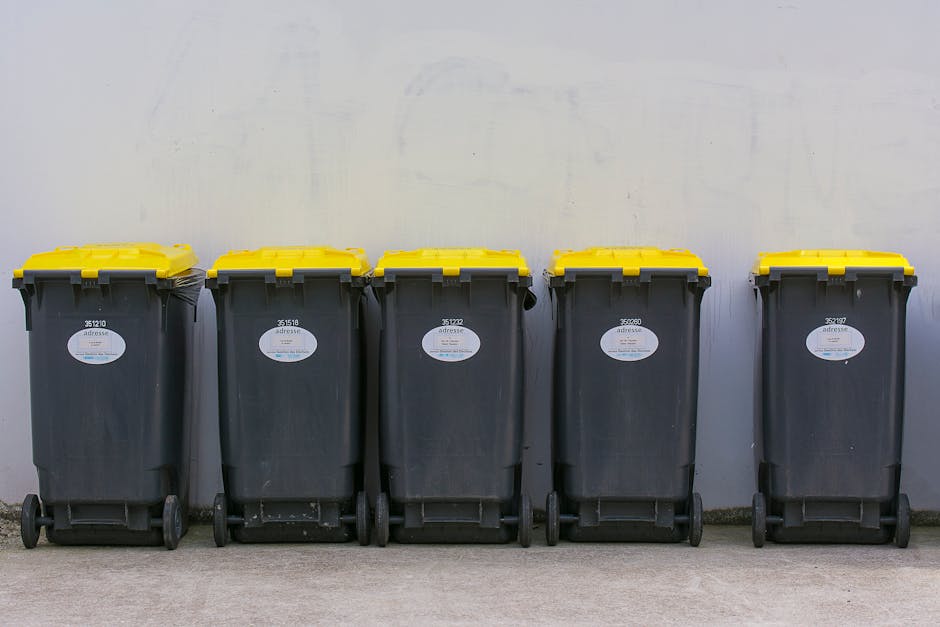
Haringey Council rubbish disposal rules for Harringay homes
Posted on 09/07/2026

Haringey Council rubbish disposal rules for Harringay homes: a practical guide for staying compliant and keeping clutter under control
If you live in Harringay, rubbish disposal can feel straightforward one minute and oddly confusing the next. One bag too many, the wrong bin on the wrong day, a bulky item left in the hallway for "later" - and suddenly you're second-guessing what the council expects. This guide explains the Haringey Council rubbish disposal rules for Harringay homes in plain English, with practical advice for flats, terraces, shared houses, and busy households that just want the waste sorted properly.
We'll look at how the rules usually work in everyday life, what to do with bulky waste, why contamination matters, and how to avoid the small mistakes that cause big headaches. You'll also find a checklist, comparison table, and a few real-world examples that make the whole thing easier to handle. To be fair, rubbish rules are never anyone's favourite topic. But once you know the basics, it gets a lot less annoying.
- Why the rules matter in Harringay
- How rubbish disposal works day to day
- Key benefits and practical advantages
- Who this is for and when it makes sense
- Step-by-step guidance
- Expert tips for better results
- Common mistakes to avoid
- Tools, resources and recommendations
- Law, compliance and best practice
- Options, methods and comparison table
- Case study or real-world example
- Practical checklist
- Conclusion
- Frequently asked questions
Why Haringey Council rubbish disposal rules for Harringay homes Matters
Rubbish rules are not just about tidiness. They affect safety, neighbour relations, pavement access, recycling performance, and whether waste is removed without delay. In a place like Harringay, where you'll find a mix of mansion blocks, smaller flats, busy shared properties, and narrow residential streets, the margin for error can be small. A bin left out at the wrong time can block a walkway. A bag of mixed waste can be rejected. A mattress dumped beside a communal bin store can create a nasty-looking pile that nobody wants to claim.
That last point matters more than people think. Shared spaces amplify small issues. If one household ignores the disposal rules, everyone else can feel the impact. Smells build up, foxes get involved, and what should have been a simple collection becomes a mess that takes time and energy to fix. You know the type: a grey Tuesday morning, damp cardboard sagging in the rain, and nobody quite sure whose rubbish is whose.
Understanding the local rules also helps you choose the right disposal method. Sometimes the answer is the regular household bin. Sometimes it is a special collection, a trip to a reuse route, or a professional clearance for bulkier items. If you're planning a move, a refurb, or a big declutter, it helps to think ahead rather than improvising on the night before collection day.
For people comparing local waste options, it can also be useful to look at broader support pages such as domestic waste collection in Harringay or the wider services overview so you can match the method to the type of waste, not just the volume.
How Haringey Council rubbish disposal rules for Harringay homes Works
At a practical level, most home waste disposal in Harringay falls into a few familiar categories: general rubbish, recycling, food waste, garden waste, and bulky or specialist items. The council sets the framework, and households are expected to separate waste properly, present it in the correct containers, and avoid leaving items in places that interfere with access or collection.
The basic idea is simple. Put the right waste in the right container, on the right day, in the right place. The tricky part is that "right" can vary depending on property type. A house with its own bins behaves differently from a block of flats with communal storage. A family clearing out after a move has different needs from a single tenant with a few bags of kitchen waste. Not exactly rocket science, but it does require attention.
Harringay homes often need a bit of judgment because access can be tight and storage space limited. If your bin store is shared, you may have to be extra careful not to overfill it or block it with cardboard, garden clippings, or furniture. If your home has no easy front garden storage, timing matters even more. Most disposal issues happen when waste is left out too early or too late, or when a collection plan is based on guesswork rather than a real schedule.
For larger one-off clearances, it can help to compare the standard household route with a dedicated clearance approach. If you're dealing with old furniture, appliances, or multiple bags after a move, services like furniture removal in Harringay and white goods and appliance disposal may be more suitable than trying to force everything into the regular bin system.
What usually belongs in each stream
Although exact rules can change, the structure usually looks like this:
- General waste: Non-recyclable household rubbish that cannot go elsewhere.
- Recycling: Clean, accepted recyclable materials separated from general waste.
- Food waste: Leftover food and kitchen scraps where a food waste system is provided.
- Garden waste: Grass cuttings, hedge trimmings, leaves, and light green waste, subject to the local arrangement.
- Bulky waste: Large items such as wardrobes, beds, sofas, fridges, washing machines, and broken shelving.
One useful rule of thumb: if an item is awkward, hazardous, or larger than you can reasonably carry out with one hand, stop and check the best route rather than guessing. That tiny pause can save a lot of hassle.
Key Benefits and Practical Advantages
Following the rubbish disposal rules properly has some very real benefits. Not glamorous ones, granted, but useful ones. You reduce the chance of missed collections, avoid creating a nuisance for neighbours, and make it easier to keep your home under control during busy periods like moving, renovating, or having family over.
Here are the main advantages in plain terms:
- Fewer collection problems: Correctly sorted waste is less likely to be left behind.
- Cleaner shared spaces: Useful in blocks of flats and converted houses where storage is limited.
- Better recycling outcomes: The cleaner the separation, the better the chance of reuse or recycling.
- Less stress before deadlines: Helpful if you are preparing for a handover, sale, or end of tenancy.
- Lower risk of fly-tipping issues: Proper disposal keeps items from being abandoned near bins or on pavements.
There's also a practical planning benefit. Once you understand what needs to be bagged, what needs to be separated, and what needs to be booked as a larger collection, you stop buying random bin bags and hoping for the best. It sounds obvious, but many households do exactly that for months.
If you want a broader sense of local living conditions and the everyday pace of the area, the post on Harringay's unique character gives a helpful local backdrop, especially for newer residents getting used to the rhythm of the neighbourhood.
Who This Is For and When It Makes Sense
This topic matters to more people than you might expect. It is not just for homeowners with a full shed and a broken freezer. If you live in Harringay, you probably need this guidance at some point.
- Flat owners: Especially where bins are shared, space is tight, or access is via rear alleys and communal stores.
- Landlords and letting agents: Useful for end-of-tenancy clean-ups, void periods, and tenant handovers.
- Families: Useful when toys, packaging, broken furniture, and general clutter build up.
- People moving home: A move creates packaging, old furniture, and lots of mixed waste very quickly.
- DIY renovators: Bathroom rip-outs, floor replacements, and small refurb projects generate waste that normal bins cannot absorb.
- Busy professionals: If you barely have time to manage weekly bins, a more streamlined plan saves time.
It also makes sense if you're trying to sell a home or prepare it for viewings. A tidy entrance, clear garden, and uncluttered hallway make a surprisingly big difference. If that's your situation, the guide on selling your home in Harringay is worth a look, because waste management and presentation go hand in hand.
And if you are mid-move, the article on minimising moving waste gives some useful ideas for cutting down the mountain of packing material that appears out of nowhere. Honestly, moving always creates more stuff than you think. Always.
Step-by-Step Guidance
If you want to handle household rubbish properly in Harringay, a simple method works best. No fuss. No heroic last-minute sorting sessions in the dark by the bin store.
- Identify the waste type. Separate general rubbish, recyclables, food waste, garden waste, and bulky items before you do anything else.
- Check what can be recycled or reused. Cardboard boxes, clothes, small electrical items, and usable furniture may not belong in the general bin.
- Bag or contain waste properly. Loose waste attracts pests, spills easily, and creates a mess in shared areas.
- Respect collection timings. Put bins out at the right time, not days early. Early placement can block pavements or invite overflow.
- Keep bin areas clear. Do not leave items beside bins unless the local arrangement specifically allows it.
- Arrange special disposal for bulky items. Large furniture, appliances, and builders' waste usually need a separate route.
- Use a proper carrier for non-household waste. If waste leaves your property in someone else's vehicle, make sure the collector is legitimate and compliant.
For households that generate awkward items often - old chairs, broken units, garden offcuts, and the odd appliance - it is worth keeping a simple "what goes where" note on your phone. Not glamorous, I know, but it works.
When the job is bigger than you expected, a service like house clearance in Harringay may be a better fit than trying to tackle it room by room over several weekends. And if the waste is mainly from a garden reset, garden waste removal can help keep soil, branches, and clippings out of the wrong bins.
Expert Tips for Better Results
In our experience, the households that stay on top of disposal are not the ones with the most bins. They are the ones with a simple routine. Small habits, repeated consistently, beat dramatic clean-ups every time.
- Flatten cardboard immediately. It saves space fast and stops recycling containers from filling up with air. Air is not a waste stream.
- Store bulky items separately. If you know you need to dispose of a sofa or washing machine, put it in one area so it doesn't get tangled with day-to-day waste.
- Rinse recyclables lightly when needed. Dirty containers can ruin a whole bag or bin load. No need to obsess, just don't leave them half-full of soup.
- Label items for donation or disposal early. When sorting a room, decisions made in the moment are more reliable than "I'll remember later." You probably won't.
- Book removals before the clutter peaks. If you wait until bags are stacked in the hallway, access gets awkward and costs can rise.
If you're dealing with restricted access, top-floor flats, or awkward staircases, timing and planning become even more important. A useful read for those situations is narrow access rubbish removal in Harringay Ladder, which gives a realistic idea of what complicated access can mean in practice.
One more thing: if the job feels urgent, don't panic. A quick call and a clear list of what needs removing is usually enough to get things moving. The worst outcome is delay, and delay has a nasty habit of spreading.

Common Mistakes to Avoid
The most common mistakes are rarely dramatic. They're the little oversights that snowball. A bin lid left open. A bag of food waste in the wrong container. A broken wardrobe left "for a minute" in the shared entrance. That sort of thing.
- Mixing waste streams: Recycling contamination can lead to rejected loads or reduced recycling performance.
- Leaving waste in communal areas: Hallways, pavements, and bin stores are not holding zones.
- Assuming all bulky items are treated the same: Furniture, appliances, and renovation waste usually need different handling.
- Ignoring access problems: If the street is narrow or parking is tight, plan the collection rather than expecting a miracle.
- Using unlicensed operators: If waste is passed to the wrong person, the original householder can still face trouble. That one catches people out.
There's another subtle mistake: underestimating the cost of sloppiness. People think they are saving time by dumping everything together, but then collections fail, bins overflow, and they spend longer fixing the mess than they would have spent sorting it properly. Slightly irritating, yes. Also completely avoidable.
If you want to avoid surprises with pricing, the guide on hidden fees in Harringay rubbish clearance quotes is a sensible companion read.
Tools, Resources and Recommendations
You do not need much to manage waste better, but a few practical tools make life easier:
- Stackable boxes or tubs: Great for sorting recycling, donations, and keep/dispose piles while decluttering.
- Heavy-duty bags: Useful for mixed rubbish, but only if you avoid overfilling them.
- Marker pens and labels: Helpful for moving jobs and multi-room clear-outs.
- Gloves and sturdy footwear: Especially when handling broken items, wet garden waste, or awkward packaging.
- A simple disposal calendar: Handy for remembering collection days, skip dates, or booked removals.
For households trying to lower waste over time, the recycling and sustainability guidance is useful because it keeps the focus on reducing waste at source rather than just moving it around. That's the smarter game, really.
If you need practical support beyond the normal bin routine, you may also find the services overview helpful when comparing domestic clearance, furniture removal, and specialist item disposal. And for peace of mind around standards, the page on insurance and safety is worth reviewing before booking any clearance work.
Law, Compliance, Standards, or Best Practice
Waste disposal in the UK sits within a wider legal and practical framework. You do not need to be a compliance expert to manage your household rubbish, but you should understand the basic responsibilities. If waste is produced by your household, you are expected to dispose of it responsibly, keep it contained, and pass it only to proper, legitimate carriers when you use a third party.
Best practice usually means three things: separate properly, present waste correctly, and use compliant services when needed. That last point is especially important for bulky items, renovation waste, and house clearances. If a collection involves a van, a team, and waste leaving your property, you want to know that the operator is following proper carrier rules and safety procedures.
For readers who prefer reassurance before booking, the site's waste carrier licence and compliance information is a sensible starting point. It explains why legitimacy matters and how compliant waste handling supports both residents and the local environment.
You may also want to check the practical conditions that apply to any service arrangement by reading the terms and conditions. That sounds dry, I know, but it is one of those small tasks that can save a lot of back-and-forth later.
And because rubbish disposal often overlaps with privacy, payment, and trust, it helps that the business information pages are easy to find, including about us and payment and security. Those pages won't decide your bin day, obviously, but they do help when you want to know who you're dealing with.
Options, Methods, or Comparison Table
Choosing the right disposal method is usually about scale, timing, and item type. A quick comparison helps.
| Method | Best for | Pros | Limitations |
|---|---|---|---|
| Regular household bins | Everyday rubbish, recycling, food waste | Simple, familiar, low effort | Limited space; not suitable for bulky items |
| Bulky item arrangement | Old furniture, appliances, single large items | Better for awkward loads | Needs planning; not ideal for mixed clear-outs |
| Specialist domestic collection | Multiple bags, mixed household waste, clutter | Fast, convenient, less lifting for residents | May cost more than regular bin disposal |
| House clearance | Full-room, whole-property, probate or move-out jobs | Efficient for large jobs; fewer trips | Best when the volume is genuinely substantial |
| Garden waste removal | Branches, soil, cuttings, light organic debris | Keeps green waste separate and tidy | Not ideal for mixed renovation waste |
A lot of homeowners start with regular bins, then move to specialist help once the pile gets beyond what a normal week can handle. That's perfectly normal. The point is to choose the method that fits the waste, not to force the waste into the cheapest-looking option.
If you are comparing services and want a clearer sense of pricing logic, the page on pricing and quotes can help you understand how estimates are usually put together.
Case Study or Real-World Example
Here's a realistic local-style example. A couple in a Harringay flat were preparing for a move after several years in the same place. They had a broken bed frame, a small freezer, flattened boxes, two bags of mixed clutter from a hallway cupboard, and a bit of garden waste from a narrow rear space. At first, they assumed it could all go out over two regular collections. It couldn't. Not without frustration, anyway.
They split the job into three parts:
- General rubbish and cardboard were sorted into the correct bins.
- The bed frame and freezer were separated for specialist removal.
- The garden waste was bundled for a separate collection.
That small bit of planning made the move calmer. The hallway stayed clear. The stairwell did not become a storage unit for random items. And because the collection was organised in advance, there was no awkward scramble on moving day, which is already busy enough without adding bin drama to the mix.
If you are in a similar situation, the article on rubbish removal in Harringay Ladder flats gives a useful sense of how a property can change once clutter is removed. The before-and-after effect is often bigger than people expect. Light comes back into rooms. Paths open up. The place breathes again.
Practical Checklist
Use this checklist before you put anything out or book a collection:
- Have I sorted waste into the correct categories?
- Is anything reusable, donateable, or repairable?
- Have I checked what the council collection will and will not take?
- Are all bags sealed, manageable, and safe to lift?
- Will anything block a communal path, entrance, or pavement?
- Do I need a bulky item, appliance, or house clearance service?
- Have I confirmed the timing and access for collection?
- If using a third party, is the collector compliant and insured?
- Have I removed food residue or broken glass hazards where needed?
- Am I keeping a note of what has gone where, just in case?
This is the kind of list that saves you from a half-finished Saturday. And sometimes that's the difference between a tidy home and a weekend that vanishes into the bin store.
Conclusion
Haringey Council rubbish disposal rules for Harringay homes are easier to manage once you strip them back to the basics: sort waste properly, use the right container or collection route, and do not leave items where they can block shared spaces or create problems for neighbours. For everyday waste, consistency matters. For bulky items and clear-outs, planning matters even more.
The good news is that most waste problems are preventable. A little sorting, a little timing, and a little practical common sense go a long way. And if you are dealing with a move, a renovation, or a sudden pile of clutter, there are sensible options beyond the weekly bin routine. The right approach depends on the job, not on guesswork.
Get a free quote today and see how much you can save.
If you are unsure where to begin, start small: one room, one bin stream, one decision at a time. That calm, steady approach tends to work best. Honestly, it usually does.